Boys' Swimwear & Swimsuits

FilterNone
Sort By Featured


Swimwear & Swimsuits for Boys

Shopping for boys' swimsuits starts with four specs: activity (recreational, swim team, or watersports), style (trunks, board shorts, jammers, or briefs), sun protection rating, and fabric durability. Filter by style, size (2T through 20), UPF rating (50+ or 30-50), and Swim Solutions (chlorine resistant) to narrow options.

Swim Trunks and Board Shorts

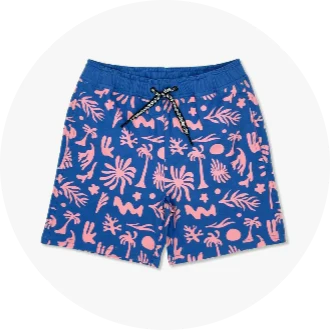
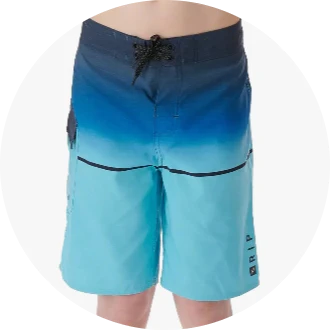
Swim trunks are the most common choice for pool days and casual water play. Standard trunks have a mid-thigh inseam, a built-in mesh liner, and an elastic waistband for a secure fit. Board shorts run longer, reaching the knee or below, typically without a liner, and use a drawstring closure with velcro fly. Board shorts are built for surfing, wakeboarding, kayaking, and watersports where extra leg coverage reduces chafing from a board or kayak seat. For paddle sports and beach use, board shorts hold up better than trunks. Browse boys' board shorts.

Competition and Training Swimwear

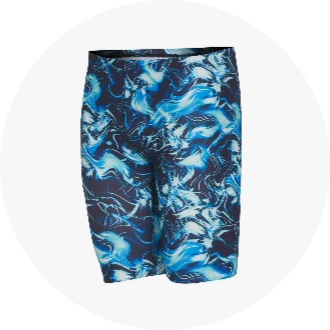
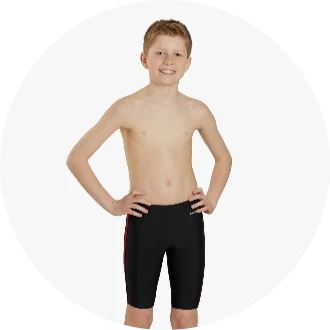
For swim team practice and meets, two styles dominate. Jammers are knee-length compression shorts designed for minimal drag, typically worn for racing, daily training, and swim meets from age-group through high school. Swim briefs offer the shortest cut with the least drag, often worn for racing or warm-weather training. Both styles use chlorine-resistant polyester blends that hold shape and color through daily pool use, lasting several times longer than standard nylon-spandex. Browse boys' swim briefs. For competition meets, many teams require a specific cut or fabric, so check with the coach before buying.

Sizing by Age

Boys' swimwear is sized by age for younger kids (2T, 3T, 4T, 4, 5, 6, 7) and by waist measurement for bigger kids and teens (8, 10, 12, 14, 16, 18, 20). Sizes vary between brands, so check each product's size chart. Measuring waist and hip and matching to the chart gives the best fit. Many parents size up for growing kids to get more wear out of the suit. For teens on swim team, jammers and briefs often run tighter than casual brands, so consider the specific fit notes on each product page.

Sun Protection (UPF 50+)

UPF 50+ fabric blocks 98% of UVA and UVB rays, the highest rating available. UPF 30-50 blocks 96% to 97%. For long pool or beach days, pairing trunks with a UPF 50+ rash guard extends sun protection across the torso and arms, reducing the need to reapply sunscreen. Rash guard sets pair a matching top and bottom for younger swimmers who need full coverage in one outfit.

Related Boys' Swim Categories

Active swimmers and beachgoers often need more than a swimsuit. Boys' wetsuits extend comfortable water time in cooler temperatures for surf, paddle sports, or cold-water swimming. Warm-ups and swim parkas help competitive swimmers stay warm on deck between events. Water shoes protect feet on pool decks and rocky beaches. Prices across the boys' collection range from under $20 for basic trunks to around $80 for competition jammers and rash guard sets.

Boys' Swimwear FAQ

What size boys' swim trunks should I buy?

Boys' swim trunks are sized by age for toddlers (2T, 3T, 4T) and by numeric size or waist measurement for bigger boys and teens (4 through 20). Sizes vary between brands, so check each product's size chart. Measuring waist and hip and matching to the chart gives the best fit. Many parents size up for growing kids to extend the usable season.

What's the difference between swim trunks and board shorts?

Swim trunks are shorter (mid-thigh), include a built-in mesh liner, and use an elastic waistband. They're designed for pool days, swim lessons, and casual water play. Board shorts are longer (at or below the knee), typically skip the liner, and use a drawstring or velcro closure. Board shorts are built for surfing, wakeboarding, and watersports where extra leg coverage helps prevent chafing.

What's the best swimsuit for boys who swim on a team?

For swim team, most boys wear a jammer (knee-length compression shorts) for practice and meets. Swim briefs are the shortest cut with the least drag, often used for racing or warm-weather training. Both should be chlorine-resistant polyester for daily pool use. Many teams have a specific suit requirement, so ask the coach before buying. Competition-grade suits last an entire season of daily practice.

Do boys' swim trunks need a liner?

Most boys' swim trunks include a built-in mesh liner that provides support and eliminates the need for underwear. The liner also helps the suit dry faster. Board shorts typically skip the liner because they're designed to be worn over a separate swim brief or by older kids who prefer a looser fit. If a liner is uncomfortable, some swim trunks are available as lined shells that can be worn with a separate brief underneath.

How long do boys' swim trunks last?

A chlorine-resistant polyester suit can last one to two full seasons of regular pool use. Standard nylon-spandex suits last a few months of frequent pool use before the fabric starts to thin or fade. Rinsing in cool water after each use, avoiding the dryer, and laying flat to dry extends the life of any swimsuit. For growing boys, size is usually the limiting factor before fabric wears out.